Trouble in IT: 3 Chronic Problems That Plague the Employee Experience
A practical look at what keeps breaking in IT and why a digital employee experience (DEX) management tool may be the solution everyone’s been waiting for.
This article was first published on LinkedIn.
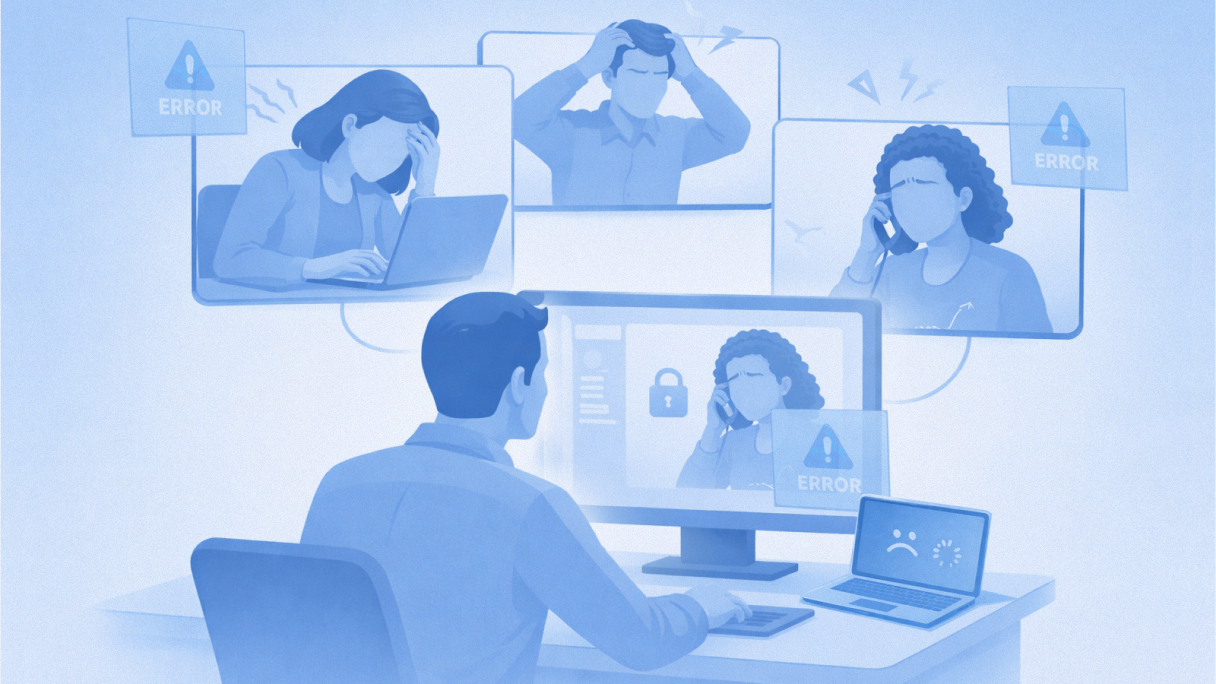
For all the big promises of technological advancements in IT, organizations are still drowning in complexity and managing large-scale device fleets with limited visibility and even less control. Without timely insights into how technology is working for employees, IT teams remain stuck in a vicious cycle of reactive firefighting and endless tickets.
From slow feedback loops and manual processes to ticket-driven support and guesswork-based asset decisions, it’s a never-ending loop of chronic digital friction that frustrates employees and strains resources. Add on widespread public anxiety of AI job displacement, and it’s no wonder stress is rising, engagement is anemic, and workers are unhappy.
Is DEX the answer?
In enterprise-level software-as-a-service (SaaS), some of the most exciting and innovative work is happening in the world of digital employee experience (DEX).
DEX solutions measure and help IT improve employee sentiment and the performance of company-provided technology by surfacing actionable insights, automating remediation, and reducing digital friction. The most advanced tech can simplify IT, giving teams the data and automation they need to make better decisions, prevent disruptions, and keep employees productive.
This article examines three chronic problems that continue to hold IT back and how some organizations are discovering how to finally fix what’s broken.
Problem #1: Replacing Devices When Needed
Today, many companies replace their device fleets based on age, usually after a few years. Unfortunately, without insights into device health or usage, organizations can either replace their machines too early, leaving usable life on the table, or too late, where poor performance is already impacting productivity. With costs rising, worldwide IT spending is expected to surpass $6 trillion in 2026.
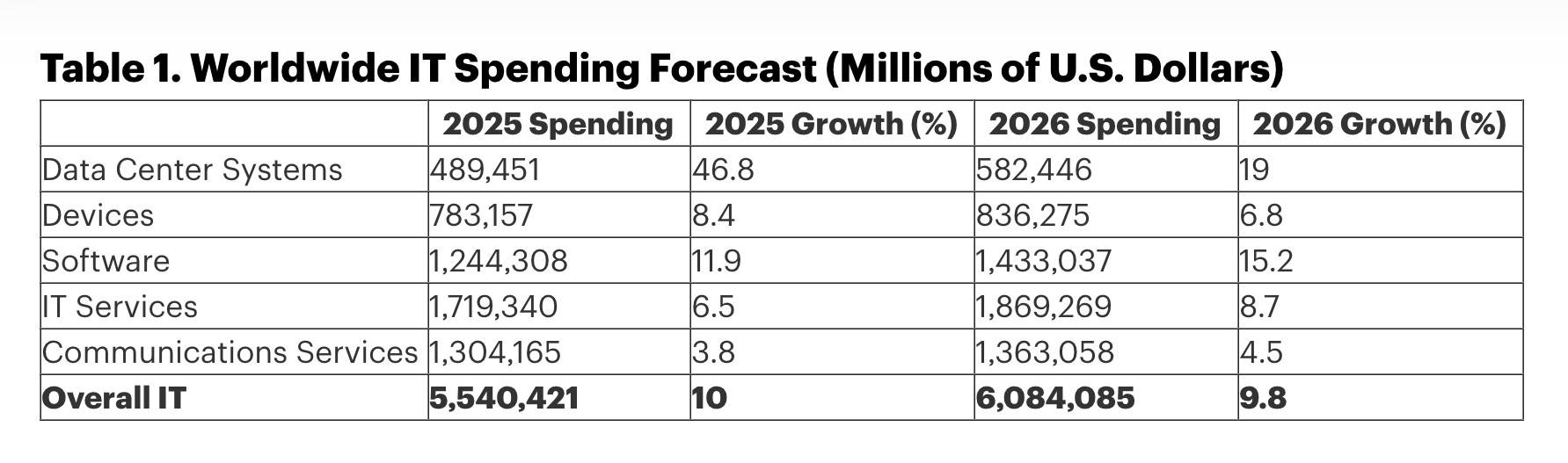
Source: Gartner
However, at its core, effective IT asset management comes down to four fundamentals:
- The right quantity: Enough devices to meet demand without excess inventory that drives unnecessary costs like maintenance, storage, and insurance.
- The right type: Devices that match the work being done, avoiding overpowered or inefficient hardware that adds cost without value.
- The right availability: Devices available where and when they are needed, rather than sitting idle at the wrong locations.
- The right utilization: Every device actively supports productivity, not sitting unused as a sunk cost.
With a modern DEX solution, organizations can finally manage their fleets with greater precision. For example, the University of Kansas Health System saved $1,500 per refreshed device by optimizing refresh cycles based on real-world performance and usage patterns. Meanwhile, creating personas for software and hardware can help match employees to the devices they actually need.
It’s a win-win for everyone. Employees get the right tech in their hands, IT makes smarter decisions that extend device lifecycles and avoid over- or under-provisioning, and leadership can reduce unnecessary spend, allowing them to focus limited budgets where they deliver the greatest value.
Problem #2: Collaboration Friction
Complex yet critical to day-to-day operations, unified communications and collaboration (UC&C) is one of the most important components of the digital workplace. Whether it’s voice, video conferencing, instant messaging, meeting rooms, or collaboration tools, employees need to communicate seamlessly wherever and whenever they work. Any disruption could trigger a domino effect, with communication breaking down and productivity slowing across teams and locations.
Proactively managing collaboration environments can resolve issues before they disrupt employees, reduce on-site support costs, and fix issues remotely through upgrades or resets. As hybrid work expands, organizations need end-to-end management across collaboration environments, including voice, video, devices, rooms, and networks. A modern DEX solution allows teams to:
- Monitor call and meeting quality across platforms in real time
- Get meeting room utilization, occupancy, and activity type insights across every office location
- Detect performance issues early and reduce time to resolution
- Identify root causes using analytics and machine learning
- Create dashboards and reports tailored to specific needs
- Support large, complex UC environments with many devices and vendors
Facilities teams can also use data on device usage and meeting room utilization to guide capacity planning. With greater visibility and control over collaboration experiences, organizations can ensure future UC and space investments align with how employees actually work.
Problem #3: Turning Employee Feedback Into Action
Telemetry data shows what’s happening across devices and systems, but it doesn’t explain how employees consume their apps, hardware, and services. Surveys are meant to capture employee feedback, but response rates are often low, and the data is rarely reliable. Without clear visibility into engagement and a simple way to gather real-time feedback, IT teams can get confused about what’s working, what’s not, and where to focus their efforts.
Advanced DEX solutions make employee feedback timely, actionable, and easy to capture. For deeper insights and higher response rates, they may offer:
- Pre-built survey templates with predefined questions and notifications based on common customer use cases
- Customizable sentiment questions to better tailor surveys to teams
- Repeatable surveys that can run on a regular cadence to track trends over time
- Context-aware feedback, with surveys launched directly from IT alerts to gather input at the moment issues occur
More importantly, one-click self-remediations can make it easy to turn insights into action. Employees can resolve issues on their own without ever creating a help desk ticket or waiting for help. Internally at HP, the use of pulse surveys enabled quick employee feedback and validated a 70% improvement in employee satisfaction.
Taking DEX to the Next Level
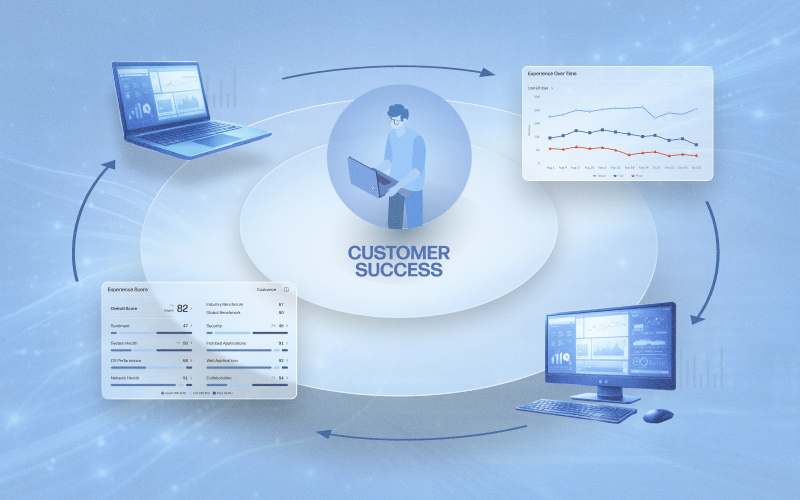
A modern DEX solution brings together next-gen capabilities to address the chronic issues IT teams face every day. For example, the HP Workforce Experience Platform (WXP) boasts features to help optimize device lifecycles, improve collaboration, and turn employee feedback into action.
These powerful capabilities help IT organizations do more with less. Teams can move from reactive firefighting to proactive IT, boost employee productivity and engagement, and get higher returns from each dollar of technology spend.
The bottom line is that DEX is the most effective way for organizations to take control of their IT operations and transform a traditional cost center into a business driver. Done right, it can elevate the workforce experience and create a real, long-term competitive advantage.
HP Workforce Experience Platform is a comprehensive digital employee experience solution that enables organizations to optimize IT for every employee’s needs.
Discover how it can transform your IT operations from a cost center to a business accelerator. Simply fill out the form below, and our team will be in touch soon.
From the blog
The latest industry news, interviews, technologies, and resources.



Frequently asked questions
Here's everything you need to know about WXP.
- What is the HP Workforce Experience Platform (WXP)?
- How does WXP work?
- Can WXP be customized to fit specific business needs?
- How is WXP modular?
- Is WXP compatible with different vendors and operating systems?
- How does WXP integrate with other IT tools to provide a more comprehensive solution?
- What is a Workforce Experience score?
- How is AI used within WXP?
- How can I buy WXP and find out about new releases?