From Startups to HP: Building the Future of Digital Workspaces
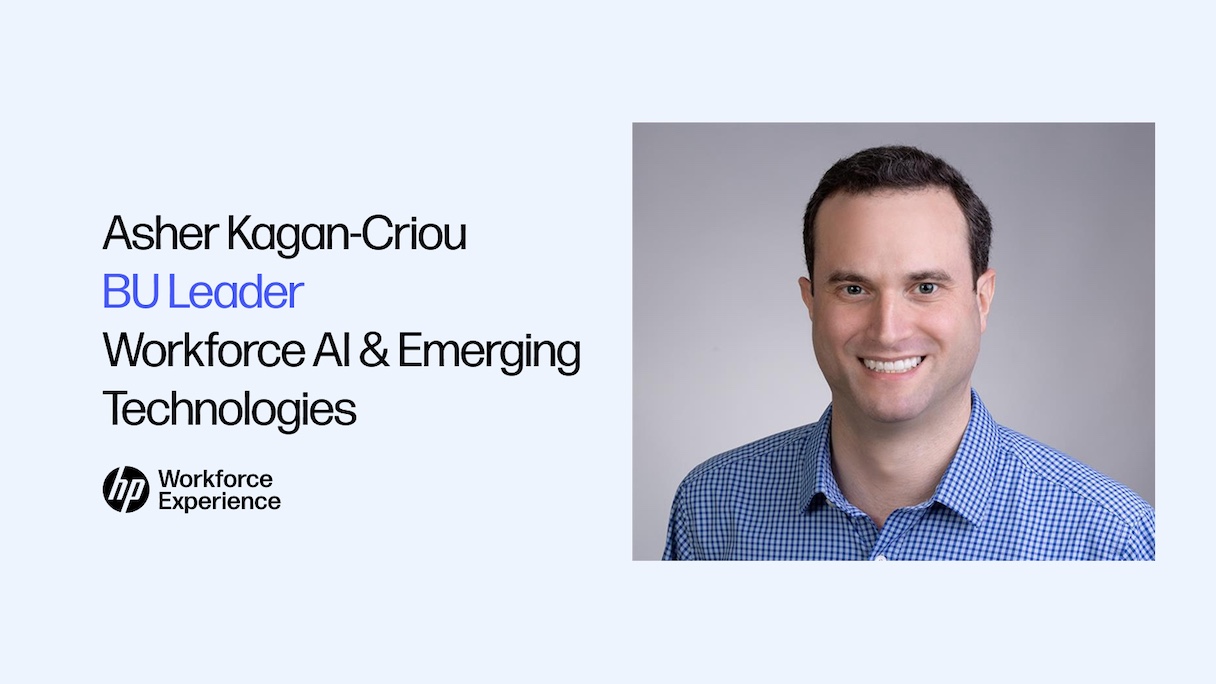
At HP, we’re flipping tradition on its head with emerging tech, advanced AI, and a visionary approach to the employee experience.
When I reflect on my career trajectory, it’s been a blend of curiosity, problem-solving, and a passion for transforming how people interact with technology. From technology startups catering to seniors and gamers to developing products empowering employees, my motivation has always been making technology accessible, intuitive, and impactful for users.
Today, as the leader of HP’s Emerging Technology Unit (ETU), I’m channeling that expertise into reimagining the digital employee experience (DEX). By smartly applying AI and other emerging technologies, we’re building a unified platform and transforming how businesses and employees interact with their digital environments.
Challenges, Opportunities, and a Chance to Do Something New
My career began with startups, each tackling unique challenges. In 2000, I worked in a startup that developed one of the first neural networks for music recommendations. Long before AI was a buzzword, we were training systems to recognize patterns and provide personalized suggestions—a concept now central to many modern platforms.
Later, I moved to action-based operating systems for senior citizens and subscription-based cloud gaming PCs before building an OS that integrated computing resources across multiple devices. Across these experiences, this focus on efficiency and accessibility through AI became one of my core philosophies.
Joining HP, I saw an opportunity to channel my experience into a solution that could transform how businesses manage and interact with their digital environments. At the Emerging Technology Unit, my teams are hard at work making that vision come to life.
Why Work Often Feels More Difficult
The pandemic changed everything. It brought remote and hybrid work to the forefront, completely transforming employees’ interactions with digital tools. But despite advancements in workforce technology, the experience remains fragmented, with each vertical operating in silos and very minimal data or events exchanged between tools.
For example, when using collaboration tools like Teams, productivity platforms like Office 365, or IT management solutions like ServiceNow, the work rarely happens in isolation. Each task is usually part of a larger workflow, yet moving between tools often requires manual effort.
- A finished document often needs to be emailed to a colleague for review.
- A new ServiceNow ticket might need to be manually sent to the relevant department.
- When a new employee is added to Workday, someone has to add them to certain groups in Teams.
These inefficiencies might not seem like much, but add them all up and they create friction, add complexity, and ultimately impact productivity. Over time, work becomes increasingly harder, slower, and more frustrating.
Building a holistic employee experience
In HP’s Emerging Technology Unit, we aim to break down silos by developing a unified platform that integrates all facets of the digital workspace. It’s not about replacing existing tools like Teams or Workday but creating a layer that connects them. Think of it as a common data fabric, enabling applications to share information seamlessly.
Our work is grounded in HP’s unique strengths. With telemetry from millions of devices, we have unparalleled insight into how hardware and software perform in real-world conditions. But beyond that, we’re leveraging data on how IT admins and employees respond to changes in their digital environments. This dual-layer data approach allows us to train AI models that don’t just react but anticipate needs and optimize workflows.
AI for More Productive Digital Workspaces
A key example is the HP Workforce Experience Platform (WXP). Designed to bridge the gaps between IT, collaboration, engagement, and productivity, WXP leverages device telemetry and AI to address real-world challenges across DEX.
Built to run on top of the common data fabric, WXP can intelligently integrate across multiple systems, enabling smoother IT operations and more powerful digital workspaces. Some of the exciting AI capabilities we’re building in WXP include:
- Conversational data insights: This capability allows IT administrators to interact with device data using natural language, providing instant answers along with real-time visualizations such as graphs and reports.
- Anomaly Detection: Anomaly Detection is a machine learning tool that predicts potential issues before they occur. For example, it can identify a device at risk of failure and recommend proactive actions, saving time and reducing disruptions.
- Smart PC Refresh: This feature uses telemetry to classify employee personas and recommend device upgrades tailored to their roles and workloads, ensuring optimal performance without unnecessary spending.
Looking Ahead
As we look to the future, we envision a platform that goes beyond reducing friction to actively enhancing productivity. By integrating AI across all verticals of the digital workspace, we aim to create a system that autonomously resolves issues, optimizes workflows, and empowers employees to focus on meaningful work.
Our ultimate goal? To build an ecosystem where tools don’t just coexist but collaborate—turning fragmented workflows into a seamless, unified experience. Our Platform isn’t just about keeping up with the pace of change; it’s about defining what’s next for years, even decades to come.
As I look back on the road that brought me here, it’s a culmination of lessons learned, innovations built, and a vision for what technology can achieve. I’m excited to continue this journey and can’t wait to see how our teams redefine the future of work and transform employee experiences across the modern workplace.
HP Workforce Experience Platform¹ is a comprehensive digital employee experience solution that enables organizations to optimize IT for every employee’s needs.
Subscribe to the HP Workforce Experience Blog or schedule a consultation with our team to begin optimizing your IT capabilities today.
¹The HP Workforce Experience Platform Device Management application currently requires new or existing HP Proactive Insights Service. Offer available through April 30, 2025, for the remainder of the HP Proactive Insights license term. Access will be granted to migrate to the HP Workforce Experience Platform upon availability in the country where HP Proactive Insights was sold.
From the blog
The latest industry news, interviews, technologies, and resources.



Frequently asked questions
Here's everything you need to know about WXP.
- What is the HP Workforce Experience Platform (WXP)?
- How does WXP work?
- Can WXP be customized to fit specific business needs?
- How is WXP modular?
- Is WXP compatible with different vendors and operating systems?
- How does WXP integrate with other IT tools to provide a more comprehensive solution?
- What is a Workforce Experience score?
- How is AI used within WXP?
- How can I buy WXP and find out about new releases?