
How IT Teams Can Respond
Navigating the Global Memory Shortage
Everything you need to know to navigate the global memory shortage. Discover how to manage memory constraints with smarter device analytics, optimization, and refresh strategies.
Global memory shortage:
How IT teams can respond to AI-driven demand
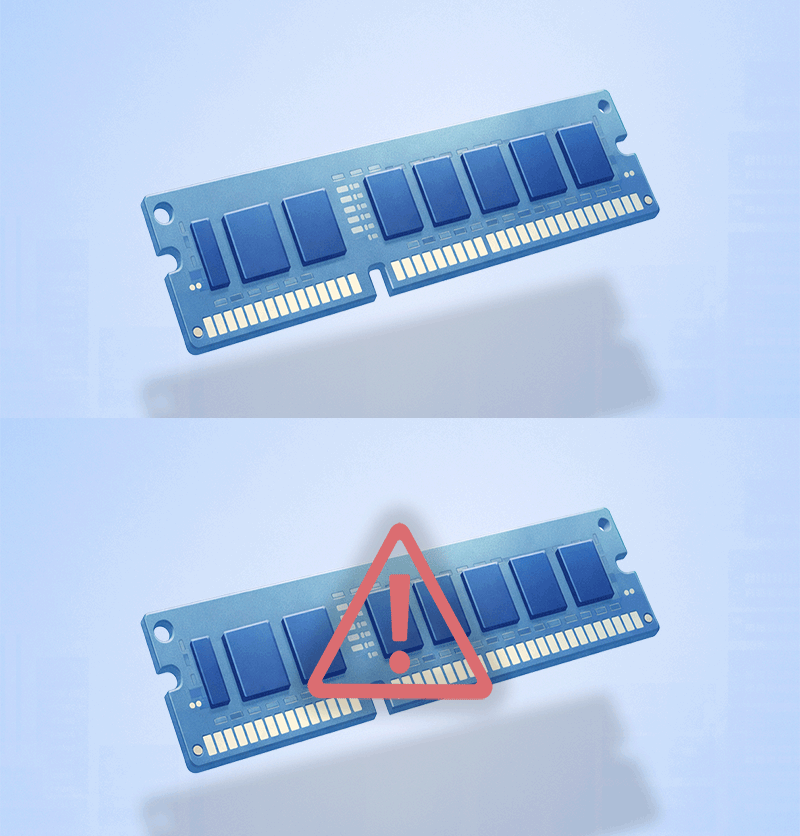
The global memory shortage is a growing concern for enterprise IT teams. As demand for AI infrastructure accelerates, memory chip shortages impact supply chains across the technology industry. Organizations are facing longer lead times, increased component costs, and greater uncertainty when planning device refresh cycles.
Industry analysts expect the memory shortage to continue through 2026 and potentially beyond, driven largely by the rapid expansion of AI data centers and high-performance computing environments.

When memory supply is constrained, how can organizations maintain performance and employee productivity?
HP is helping customers navigate the current memory shortage with smarter device management strategies, improved visibility into device performance, and data-driven refresh planning. This resource hub brings together insights, tools, and expert guidance to help organizations manage memory constraints while optimizing the digital employee experience (DEX).
Why is there a memory shortage?
Several factors are contributing to the current global memory shortage:
-
 AI infrastructure demand
Rapid growth in AI computing requires large quantities of high-performance memory chips.
-
 Data center expansion
Cloud providers and hyperscalers are competing for memory supply.
-
 Component supply constraints
Manufacturing capacity is shifting toward higher-margin AI components.
-
 Technology transition cycles
New chip architectures and production nodes create temporary supply imbalances.
-

As a result, enterprise device memory availability is tightening, and organizations may experience longer procurement timelines or increased hardware costs.
These conditions are expected to influence enterprise technology planning throughout 2026 and possibly into 2027.

How memory shortages affect Enterprise IT
A computer memory shortage doesn’t just impact hardware supply; it changes how IT teams must manage their device fleets. Visibility into device performance and usage patterns can be invaluable in alleviating pressure on IT environments during periods of supply uncertainty by confirming which devices require replacing and which can be fixed.
Organizations may face challenges such as:
- Longer lead times for replacements due to supply constraints
- Increased cost for new memory configurations
- Difficulty forecasting hardware availability
- Pressure to keep existing devices in service longer
In many cases, IT teams assume that performance issues require immediate hardware replacement. However, slowdowns and crashes are not always caused by insufficient memory.
Application behavior, configuration issues, or unusual usage patterns can create performance bottlenecks that mimic memory shortages.
A smarter strategy for managing memory constraints
Rather than relying solely on hardware upgrades, many organizations are adopting a more data-driven approach to device management and refresh planning. This approach focuses on three key priorities:
-
 Identify Memory Bottlenecks with Device Analytics
Understanding where memory pressure occurs across your device fleet is the first step toward resolving performance issues.
With device analytics and anomaly detection from HP Workforce Experience Platform (WXP), IT teams can:
- Monitor real-time memory utilization across devices
- Detect sustained high memory usage and performance anomalies
- Identify applications that create unexpected memory pressure
- Prioritize remediation based on user impact
By analyzing these signals, organizations can separate true capacity limitations from fixable configuration or application issues.
-
 Right-Size Memory Based on Real Usage
Many organizations over-provision memory to avoid potential performance issues.
However, usage data often reveals that a significant portion of employees are using devices with more memory than their workloads require.
By analyzing real device usage patterns across roles and teams, IT leaders can:
- Align memory configurations with actual workload needs
- Reduce unnecessary upgrades
- Redeploy higher-capacity devices where they are truly required
This strategy helps organizations extend the life of existing devices while maintaining employee productivity.
-
 Refresh Devices Based on Performance, Not Age
Traditional refresh policies often replace devices on a fixed timeline.
During periods of global memory shortage, this approach can be costly and inefficient.
A better strategy is to evaluate device performance using real-world experience data. When refresh decisions are based on performance thresholds rather than age, organizations can:
- Replace devices that truly impact productivity
- Extend the life of devices that still perform well
- Optimize IT budgets during periods of supply volatility

How HP helps organizations navigate memory supply constraints
HP is actively working to reduce the impact of global memory shortages for customers by:
- Diversifying supply chains to stabilize memory availability
- Offering flexible device configurations to navigate supply constraints
- Providing transparency around availability, lead times, and pricing
- Investing in AI-driven device management technologies
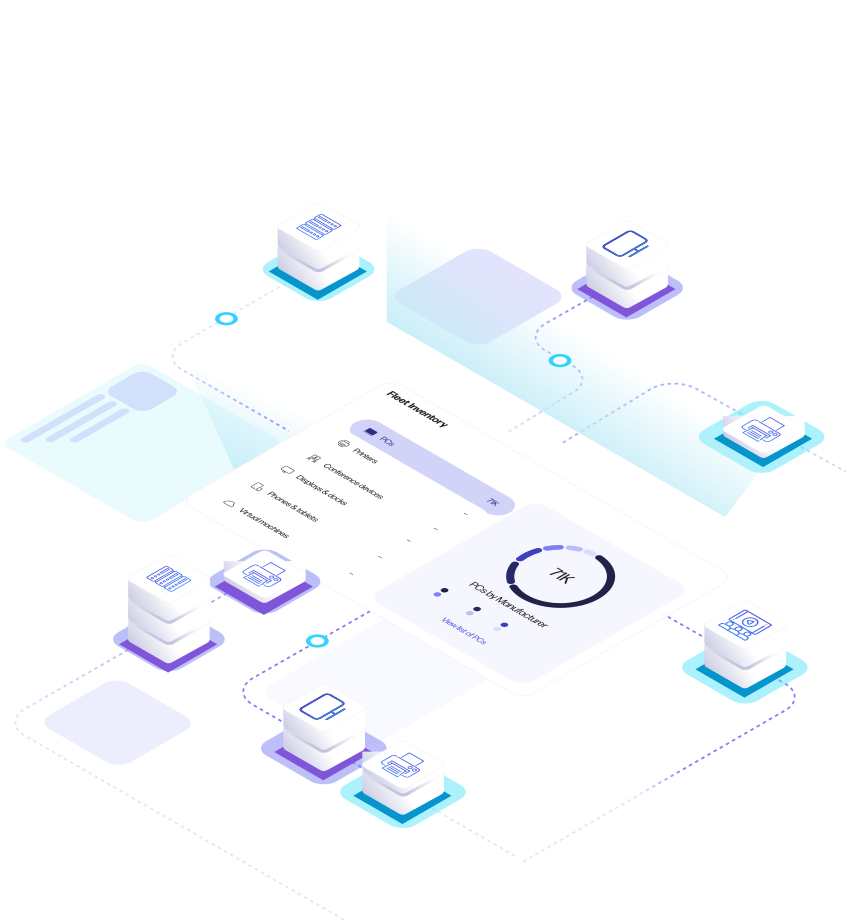
Smarter Fleet with HP Workforce Experience Platform (WXP)
Right-size memory and components with real world data across every device, regardless of vendor.
- Analyze device fleets to assess component allocation and consumption, matching memory to user needs
- Identify which PCs actually need to be refreshed instead of refreshing blindly
- Deploy updates, fixes, and alternative software to devices, extending their life without new capital
Expert Support for IT Teams Managing Memory Challenges
Even with the right tools and data, responding to a memory shortage can add significant workload for already stretched IT teams.
HP Managed Services and partners allow IT teams to focus on strategic initiatives while ensuring employee devices continue performing reliably.
Navigate the Global Memory Shortage with Smarter Planning and Refresh Strategies
Explore Resources to Help Manage the Memory Shortage
Resources to navigate evolving memory supply challenges.


Frequently asked questions about the global memory shortage
Your questions answered.