Modernize Your Workplace
IT experts share how tech-enabled spaces, data-driven IT, and human-centered design shape today’s most effective workplace strategies.

Helen Shierbon
SVP and Chief Operating Officer, Global HP Solutions
The way organizations approach the workplace has fundamentally changed. From optimizing physical layouts to deploying smarter IT infrastructure and designing around employee needs, the workplace has become a complex system that demands cohesive strategy. With expert insights and real-world data, this article outlines proven approaches for organizations looking to evolve with modern workplace trends and deliver measurable outcomes.
Align workspace optimization with workplace technology
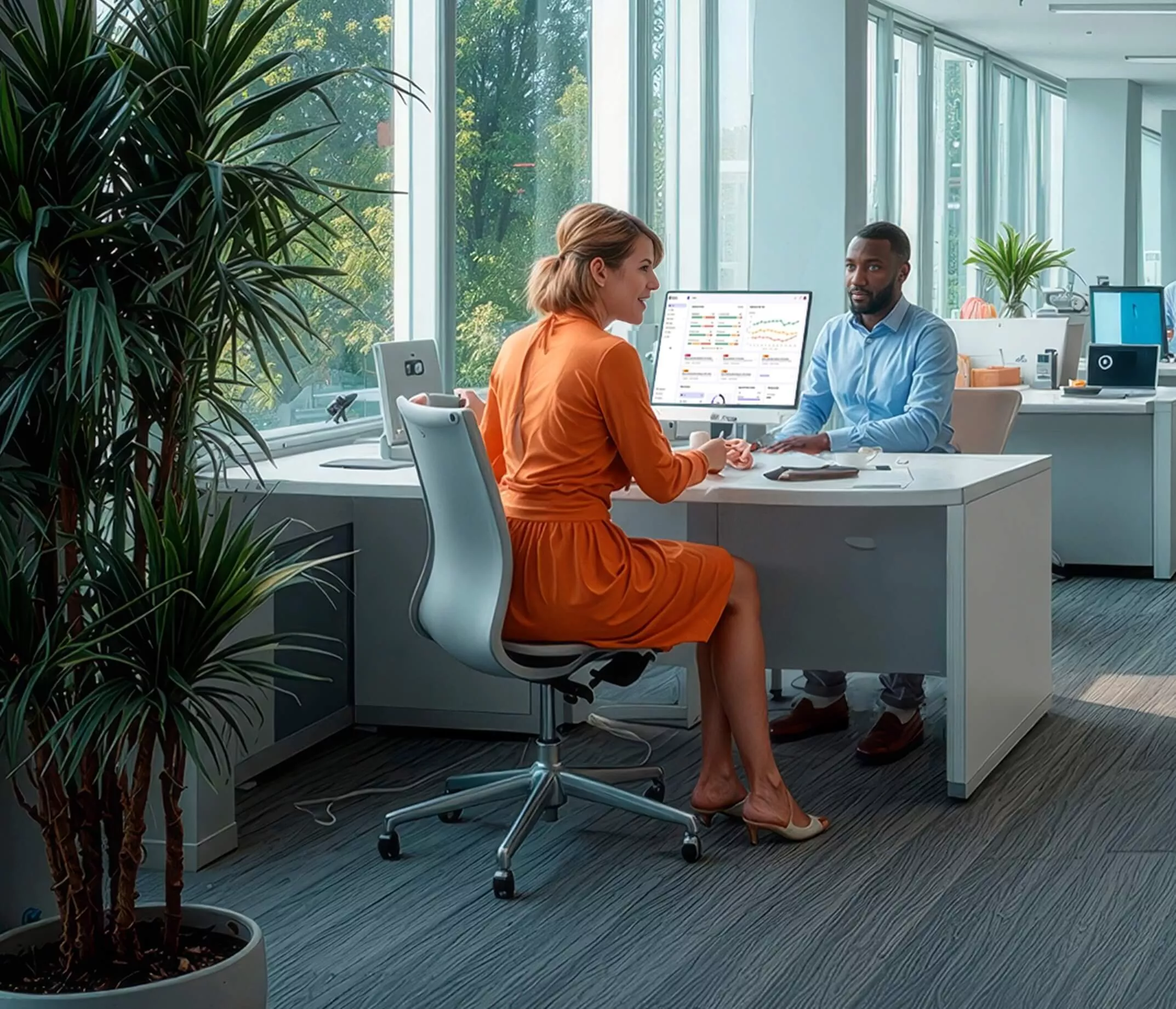
Today’s work environments span hybrid, remote, and in-office setups. While flexibility is key, physical space still plays a central role in productivity and well-being. According to the 2024 Work Relationship Index, nearly half of workers (48%) prioritize distraction-free spaces for focus, highlighting the importance of intentional workspace design. However, real impact happens when spatial design aligns with integrated technology to support how and where work actually occurs.
Open floor plans, remote setups, and coworking spaces have redefined the modern workplace. While these shifts have changed how we think about physical work environments, it's the technology we integrate that truly drives employee satisfaction and performance. Our team isn’t just updating tech for the sake of innovation. Every day, our focus is on creating solutions that truly support how people work now – across locations, time zones, and teams.
Helen Shierbon SVP and Chief Operating Officer, Global HP Solutions Source: LinkedIn
Combining spatial design with smart technology lays the foundation for a modern digital workplace. From sensor-driven meeting rooms to seamless connectivity across locations, the modern workplace benefits from a cohesive, tech-first strategy that adapts to employee behavior. This alignment is the first step in moving from fragmented solutions to a workplace built for sustained productivity.
Move from traditional to modern IT practices
Legacy IT systems often fall short in supporting the speed and scale of modern operations. Fleet-wide visibility, real-time diagnostics, and predictive analytics are becoming the standard. For instance, HP experienced a 40% reduction in PC refresh costs and the ability to resolve 97% of room issues remotely after transitioning to telemetry-based IT management. These outcomes illustrate the value of shifting to a modern workplace strategy centered on data-driven infrastructure.
"Tackling modern IT challenges requires a new, more holistic approach than in the past. Today, companies are moving from traditional IT asset management (primarily concerned with inventory and basic lifecycle tracking) to fleet management (which prioritizes understanding device performance and user experience) to optimize the entire technology ecosystem. The magic lies in telemetry data, or the detailed information gathered from devices about their usage and performance."
Larry Meadows
Sr. Product Manager, Thought Leader & Platform Evangelist @ HP Workforce Experience PlatformSource: WXP Blog
This shift toward intelligent device ecosystems is a hallmark of modern workplace trends. Rather than reactively managing hardware, IT leaders are embracing proactive strategies that minimize disruption and maximize ROI. Building this level of insight into IT operations allows organizations to scale workplace modernization while keeping performance and user satisfaction front and center.
Make "employee experience" part of your workplace strategy
Culture and engagement have emerged as critical metrics for success in the modern digital workplace. When workplace technology and processes are designed with people in mind, the business sees the difference. The best organizations reach 70% or more engaged employees—more than three times the global average, according to Gallup. That level of engagement doesn’t happen by accident. It requires strategic design focused on how people experience their work environment.
"Most modern approaches to engagement and retention foundationally stem from old ways of thinking that will not work in today’s workplace. Design thinking has been applied successfully for customer experience and user experience; it is just beginning to be recognized as an approach for employee experience."
Josh Plaskoff
Director of Learning and Experience Design @ Highpoint Global, Adjunct Faculty for the Kelley School of Business @ Indiana UniversitySource: ResearchGate
By incorporating design thinking into employee programs, organizations unlock long-term modern workplace benefits—higher retention, improved morale, and a more resilient workforce. As businesses continue adapting to new models of work, embedding the employee perspective into every stage of workplace planning will be the differentiator.
In conclusion, a cohesive strategy that unites space, IT systems, and employee experience enables organizations to navigate rapid change while improving performance. By aligning workspace design with technology, leveraging telemetry-driven IT practices, and embedding employee-centered approaches, businesses can turn the modern workplace into a lasting advantage and differentiator.