
What We Learned at the Gartner Digital Workplace Summit 2025 in London
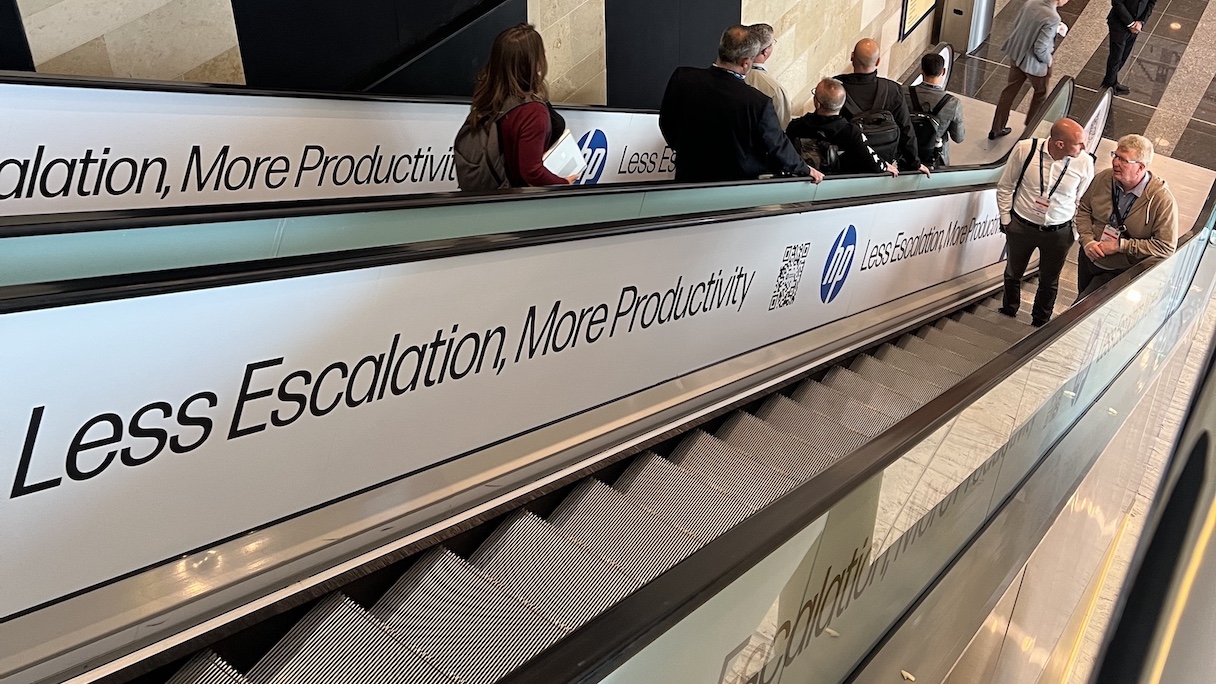
Gartner’s leading digital employee experience (DEX) event brought together top industry leaders and innovators shaping workforce technology’s future. Here are the key takeaways from two days of expert insights, strategies, and in-depth conversations.
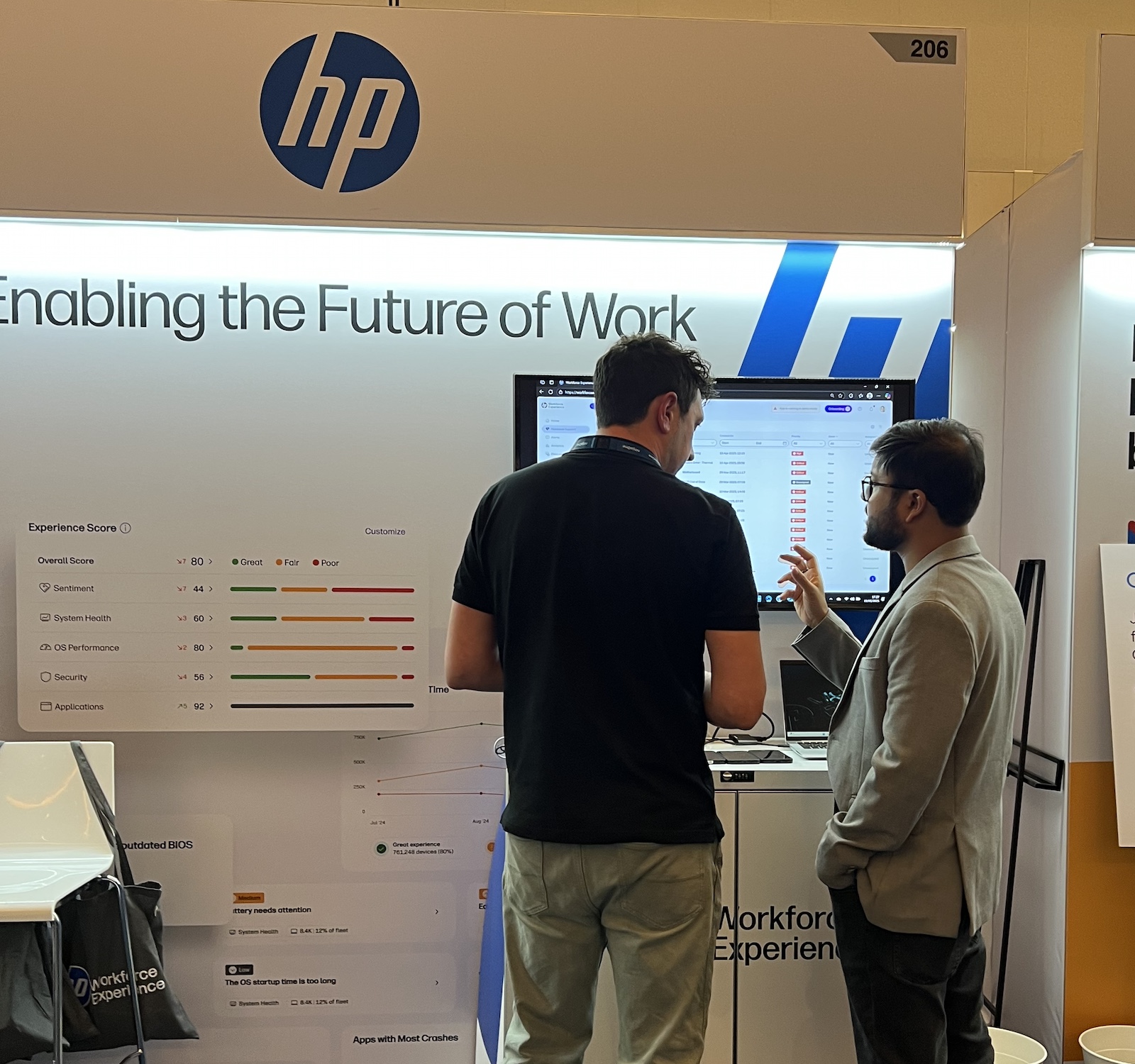
The Gartner Digital Workplace Summit 2025 just wrapped in London, U.K. Across two action-packed days, it brought together global leaders and IT professionals to explore what’s next in the evolution of work. For the HP team, the summit marked a major milestone—our first industry event following the global rollout of our workforce experience platform (WXP).
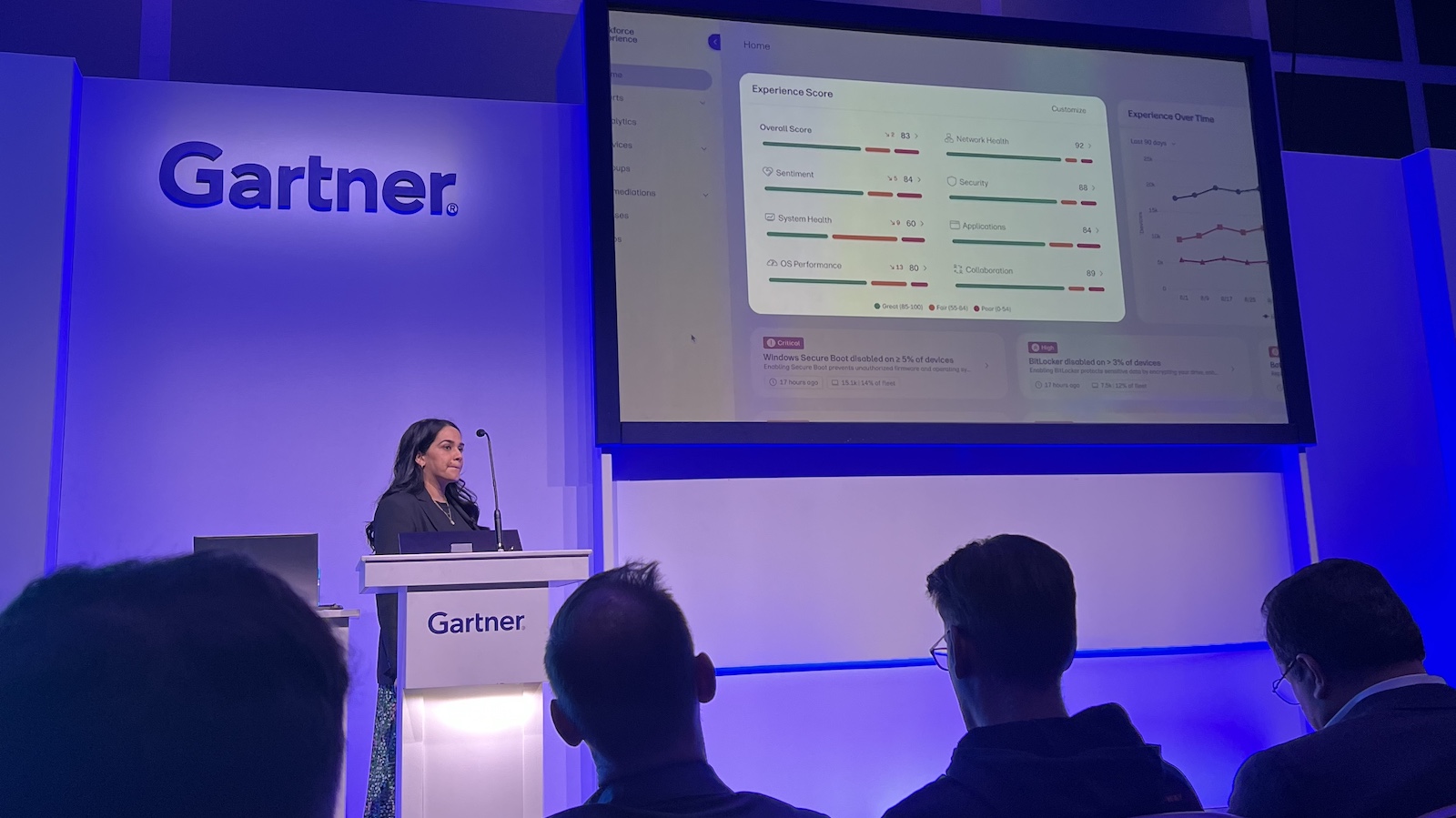
With over 1,000 visitors to our booth, high-value engagements, and one of the most attended sessions of the summit, HP made a strong debut in the European market. From engaging demos and strategy sessions to deep conversations about digital friction, SaaS sprawl, and the critical role of AI, the event delivered powerful insights into what enterprises need now and in the near future.
Here’s a look at the biggest themes that shaped the Gartner Digital Workplace Summit 2025.
#1: DEX Is a Must-Have

One clear message at the event was the importance of prioritizing digital employee experience (DEX). Employees today expect workplace tech to be as seamless as their favorite consumer devices and apps.
However, one-size-fits-all DEX strategies don’t work. A nurse logging into 15 terminals in a hospital has vastly different needs than a remote knowledge worker. Organizations must tailor metrics, tools, and experience models to distinct personas, whether back-office or frontline workers.
Additionally, tools like DEX scores are powerful but incomplete. They measure an employee’s digital experience quality but often miss devices like iPads, Linux machines, and multi-device workflows. Without a holistic view of the entire experience, organizations should take DEX scores with a grain of salt.
IT experts also talked a lot about shifting from being reactive to proactive. GenAI threatens to replace teams that focus only on uptime and service delivery. Instead of fixing things after they break, they need to be proactive enablers. Combining tech telemetry with AI-powered survey analysis can anticipate friction, prevent disruption, and deliver intuitive, frustration-free digital experiences. Shifting to employee-centric, experience-driven strategies is essential to position IT as a strategic business enabler.
Points to consider:
- Through 2028, more than half of digital workplace leaders who don’t focus on DEX and enablement will risk being commoditized or replaced.
- By 2026, 50% of digital workforce leaders will have adopted a DEX strategy and platform, up from 30% in 2024.
- The DEX tool market grew by over 29% in 2023, reaching $598 million. It’s projected to expand at a CAGR of 13.7%, reaching $864 million by 2027.
Future outlook
IT leaders need to shift from system admins to experience architects by rethinking metrics, tools, and partnerships. Strong teamwork across HR, real estate, communications, security, and finance is needed to improve the employee experience and drive change.
#2: SaaS Sprawl Is Out of Control
Another key theme was the growing crisis of “SaaS sprawl.” With more tools than ever, IT spends more time and energy tracking the number of tools used, who’s using them, and what value they’re delivering.
The problem goes beyond bloated tech stacks to include wasted spend, security risks, and broken workflows. Employees are using apps without oversight, which leads to redundancy, shadow IT, and serious data exposure when someone leaves the company.
SaaS sprawl is no longer just an IT problem; it’s a business risk. IT leaders need to move beyond gatekeeping and adopt a co-governance model, partnering with business units to bring order, transparency, and smarter decision-making across the SaaS ecosystem. One suggestion was a democratized delivery model where IT and the business co-lead, co-deliver, and co-govern. The result is shared ownership, joint accountability, and scaling control by educating and empowering teams.
Points to consider:
- Worldwide end-user SaaS spending was projected to grow 20% to total $247.2 billion in 2024 and reach nearly $300 billion in 2025.
- As many as 25% (and vendors report that up to 50%) of SaaS licenses are not regularly in use.
- Through 2027, organizations that fail to attain centralized visibility and coordinate SaaS life cycles will overspend on SaaS by at least 25% due to unused entitlements and unnecessary overlapping tools.
- Companies that don’t manage SaaS lifecycles are 5x more likely to suffer a cyber incident.
- By 2027, 50% of enterprises are projected to centralize SaaS management.
Future Outlook:
Managing SaaS sprawl is no longer optional. IT must act as a strategic partner, enabling agility through smart governance and visibility. With the right platform and mindset, IT can transform SaaS chaos into sustainable, scalable value.
Theme #3: Success with AI Involves Rethinking How Business Works
AI in the workplace was one of the most talked-about topics at the summit. Conversations centered around what it takes to make AI adoption successful, and it became clear that the challenges go far beyond just the technology.
One of the core messages was that AI implementation requires businesses to transform. Companies often stumble with AI adoption due to unclear use cases, poor change management, and weak governance. Security remains the top concern, and many organizations have abandoned projects over high costs and a lack of internal readiness.
AI’s impact on people is also an urgent concern. AI adoption falls short when organizations overlook the people side of transformation. Even the best tools fail to deliver impact without broad AI literacy and upskilling. Gartner recommends building skills in four key areas: identifying use cases, prompt engineering, evaluating outputs, and technical fluency. Tiered training helps match learning to employee roles and maturity levels, ensuring beginners and advanced users gain the necessary skills.
Points to consider:
- As of August 2024, 28% of U.S. adult employees reported using generative AI for work tasks.
- 42% of enterprises abandoned most of their AI projects in 2025, up from 17% in 2024. The survey found that high costs and security risks were the top barriers to adoption.
- Workers using generative AI reported an average time savings of 5.4% of their work hours, equating to approximately 2.2 hours per week for a standard 40-hour workweek.
Future Outlook:
Success in AI requires a clear strategy. While employee use is growing, many companies still lack formal plans. Cost, security, and weak governance remain major barriers. IT must focus on real use cases, strong oversight, and workforce skills.
A culture of experimentation also matters. Empowering AI champions and allowing for trial and error can help teams adopt tools with confidence and unlock long-term value.
Redefining the Role of IT
If there’s one key takeaway from the Gartner Digital Workplace Summit 2025 in London, it’s that the role of IT is changing fast. Teams are moving beyond managing systems to shaping experiences, guiding transformation, and driving real business value.
Part of the transformation involves redefining success. Organizations can recognize IT teams for preventing problems before they happen, not just for fixing them. As one analyst said, “Be Clark Kent, not Superman.”
Whether eliminating digital friction, controlling SaaS sprawl, or making AI adoption work in the real world, IT must evolve into a proactive, strategic partner. That means breaking away from reactive processes, aligning with business goals, and putting the employee experience at the center of everything they do.
The future of work is here. And IT has a seat at the table.
HP Workforce Experience Platform is a comprehensive and modular digital employee experience solution that enables organizations to optimize IT for every employee’s needs.
Subscribe for future product release updates and the HP Workforce Experience Blog to learn how to optimize your IT capabilities today.
If you want to learn more about the HP Workforce Experience Platform, we would love to speak to you! Simply fill out the form below, and a team member will be in touch.
From the blog
The latest industry news, interviews, technologies, and resources.





Frequently asked questions
Here's everything you need to know about WXP.
- What is the HP Workforce Experience Platform (WXP)?
- How does WXP work?
- Can WXP be customized to fit specific business needs?
- How is WXP modular?
- Is WXP compatible with different vendors and operating systems?
- How does WXP integrate with other IT tools to provide a more comprehensive solution?
- What is a Workforce Experience score?
- How is AI used within WXP?
- How can I buy WXP and find out about new releases?