
Beyond Tap to Pay: Rethinking the Final Seconds of Checkout
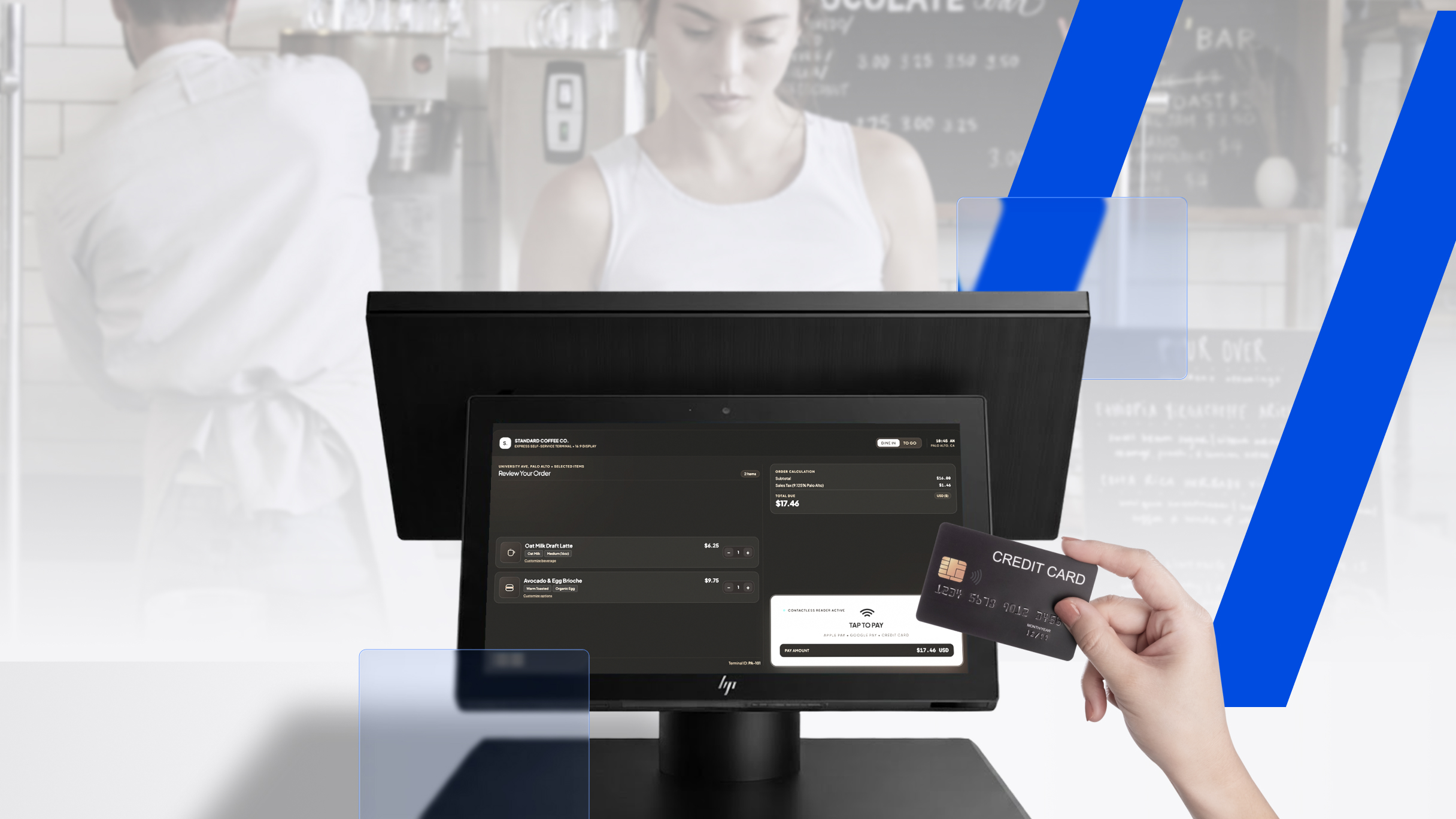
Contactless payments generate billions in time-saving benefits. A unified checkout experience could unlock even greater value.
When technology makes a familiar task faster and easier, it can quickly reshape consumer behavior. In traditional retail environments, which often rely on multiple devices and steps during checkout, saving even a few seconds can add up to significant value at scale.
For example, tap-to-pay technology is fast becoming muscle memory for the vast majority of consumers. Instead of fumbling for cash, swiping credit cards, or signing checks at the point of sale, a quick tap is increasingly the default way people expect to pay.
According to S&P Global 451 Research, 53% of U.S. consumers now prefer contactless payments in-store, rising to 65% among Gen Z consumers. Tap-to-pay cards lead adoption, with 36% preferring to tap a card, compared with 14% for mobile wallets and 3% for wearables.
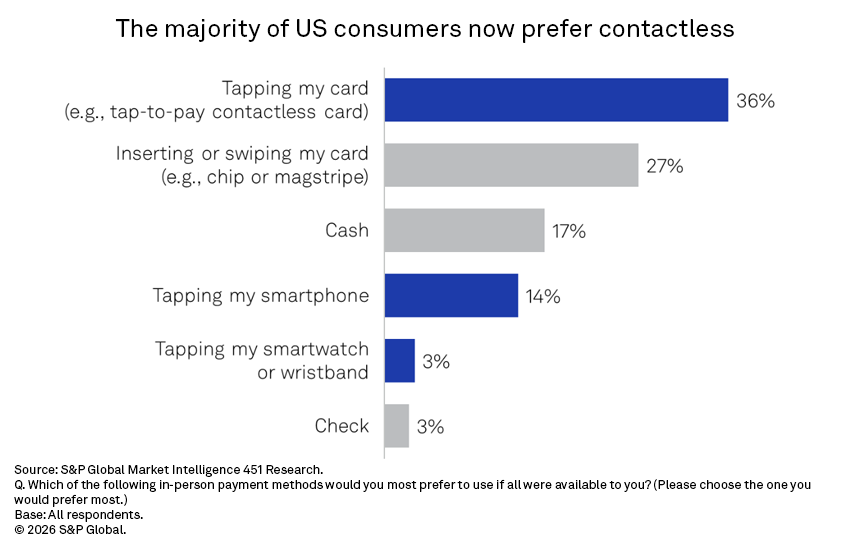
Source: S&P Global 451 Research
Yet payment accounts for only a fraction of the checkout process. Scanning products, applying discounts or loyalty rewards, or verifying age or identity can still involve separate devices, systems, and workflows. To minimize friction, retailers can combine these fragmented processes into a faster, more cohesive experience from scan to payment.
Every Second Counts
Payments have become faster, but the rest of checkout still creates friction that can lead to lost sales:
- 60% of consumers consider long payment and checkout queues a major in-store pain point
- 51% of shoppers will walk away if they can’t use their preferred payment method
- 40% of shoppers will abandon a purchase if checkout takes too long
Shaving time off each interaction can add up quickly, improving throughput, shortening lines, and reducing friction for customers and associates.
What is a few seconds actually worth? Research on contactless payments suggests the answer could be billions.
According to a study by Norges Bank, shoppers complete contactless card payments in just 7.8 seconds on average, compared with 14.8 seconds for contact card payments. Across 67 countries, researchers estimated that contactless payments generated $30.9 billion in time-saving benefits over the five years from 2017 to 2021, including $19.3 billion for consumers and $11.6 billion for merchants.
For 2026, annual benefits are projected to exceed $27 billion in a single year, with more than $17 billion for consumers and $10 billion for merchants.
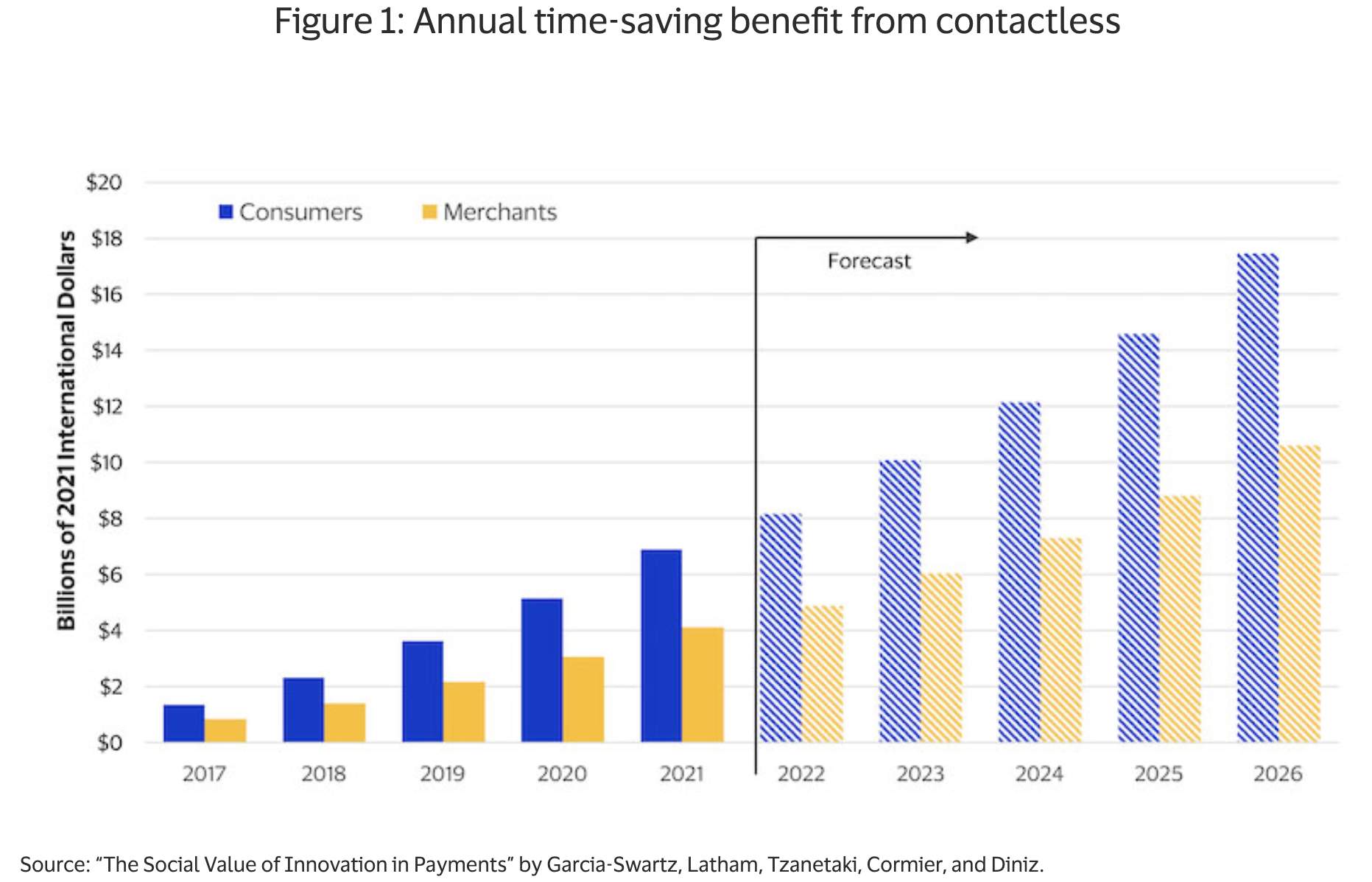
Source: Visa
In the future, fully autonomous checkout could eliminate the traditional register altogether. However, Amazon’s decision to close its Fresh and Go stores and pivot its Just Walk Out technology highlights the challenge of scaling cashierless retail.
For retailers, a more practical near-term strategy is to go beyond payments to simplify and streamline the broader checkout experience.
Integrated Checkout = Fast Payments + Less Friction
The goal is to get customers in and out as quickly as possible. A customer-facing display that combines tap-to-pay transactions with on-screen interactions can create a faster, smoother checkout experience.- Benjamin Skousen, Portfolio Product Manager, HP Retail & Industry Solutions
Typical checkout flows often involve numerous devices, adding more steps and handoffs along the journey. A customer-facing display with a built-in NFC (near field communication) reader can bring multiple functions together into one device, helping retailers:
- Declutter counter space: Consolidating checkout functions can reduce the need for standalone devices, peripherals, and cabling.
- Simplify customer interactions: A more unified interface can bring payment, purchase information, loyalty, and other POS content together.
- Speed up transactions: Tap-to-pay can make payment faster and easier, helping move customers through checkout more quickly.
However, consolidation alone may not be enough to create a unified checkout experience. POS software compatibility, payment certification, processing relationships, and integrations with existing systems must be taken into consideration, or risk shifting complexity elsewhere.
Here at HP, our goal is to provide the trusted, stable, and reliable commerce infrastructure retailers can build on. Our modular, open ecosystem works with existing systems while giving retailers the flexibility to add best-of-breed technologies that meet their needs.
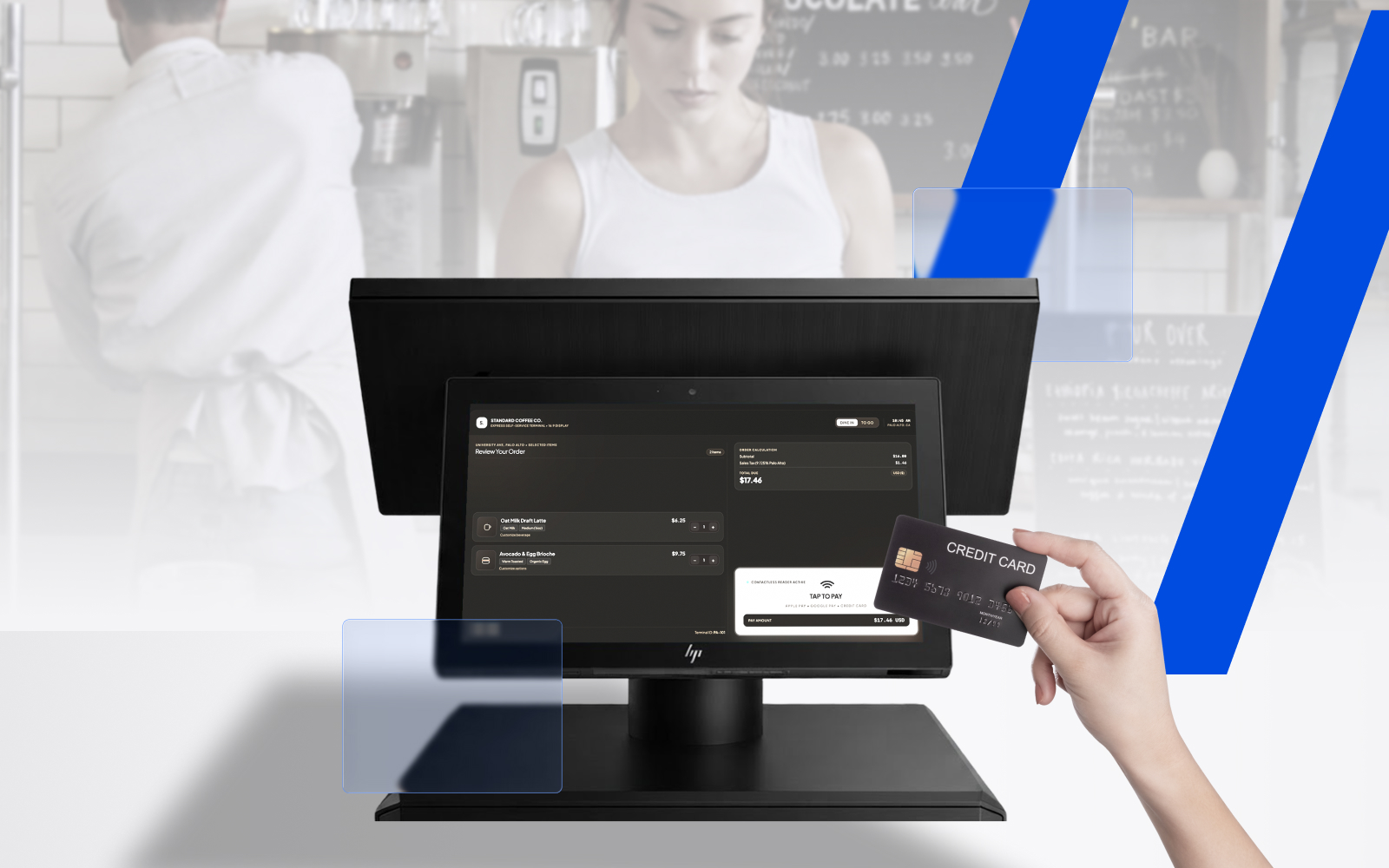
For example, the HP Engage 10 Display can combine tap-to-pay, touchscreen interaction, barcode scanning, and camera capabilities into a customer-facing display while supporting multiple operating systems and retail environments. With one device, merchants can simplify their checkout setup while customers get a faster, more cohesive experience.
New Tech, Same Destination
Checkout technology will continue to evolve, but the goal remains the same: deliver speed, simplicity, and convenience. Retailers should treat payment as part of a connected checkout experience rather than a standalone function.
The next advantage may come less from making payments faster and more from improving everything around it. By simplifying interactions and reducing unnecessary handoffs, retailers can extend the potential for time-saving benefits beyond payment and make every second count before and after the tap.
HP Workforce ExperienceTM Platform is a comprehensive digital employee experience solution that enables organizations to optimize IT for every employee’s needs.
Discover how it can transform your IT operations from a cost center to a business accelerator. Simply fill out the form below, and our team will be in touch soon.
From the blog
The latest industry news, interviews, technologies, and resources.




Frequently asked questions
Here's everything you need to know about WXP.
- What is the HP Workforce Experience Platform (WXP)?
- How does WXP work?
- Can WXP be customized to fit specific business needs?
- How is WXP modular?
- Is WXP compatible with different vendors and operating systems?
- How does WXP integrate with other IT tools to provide a more comprehensive solution?
- What is a Workforce Experience score?
- How is AI used within WXP?
- How can I buy WXP and find out about new releases?