
Podcast Highlights With HP’s Faisal Masud
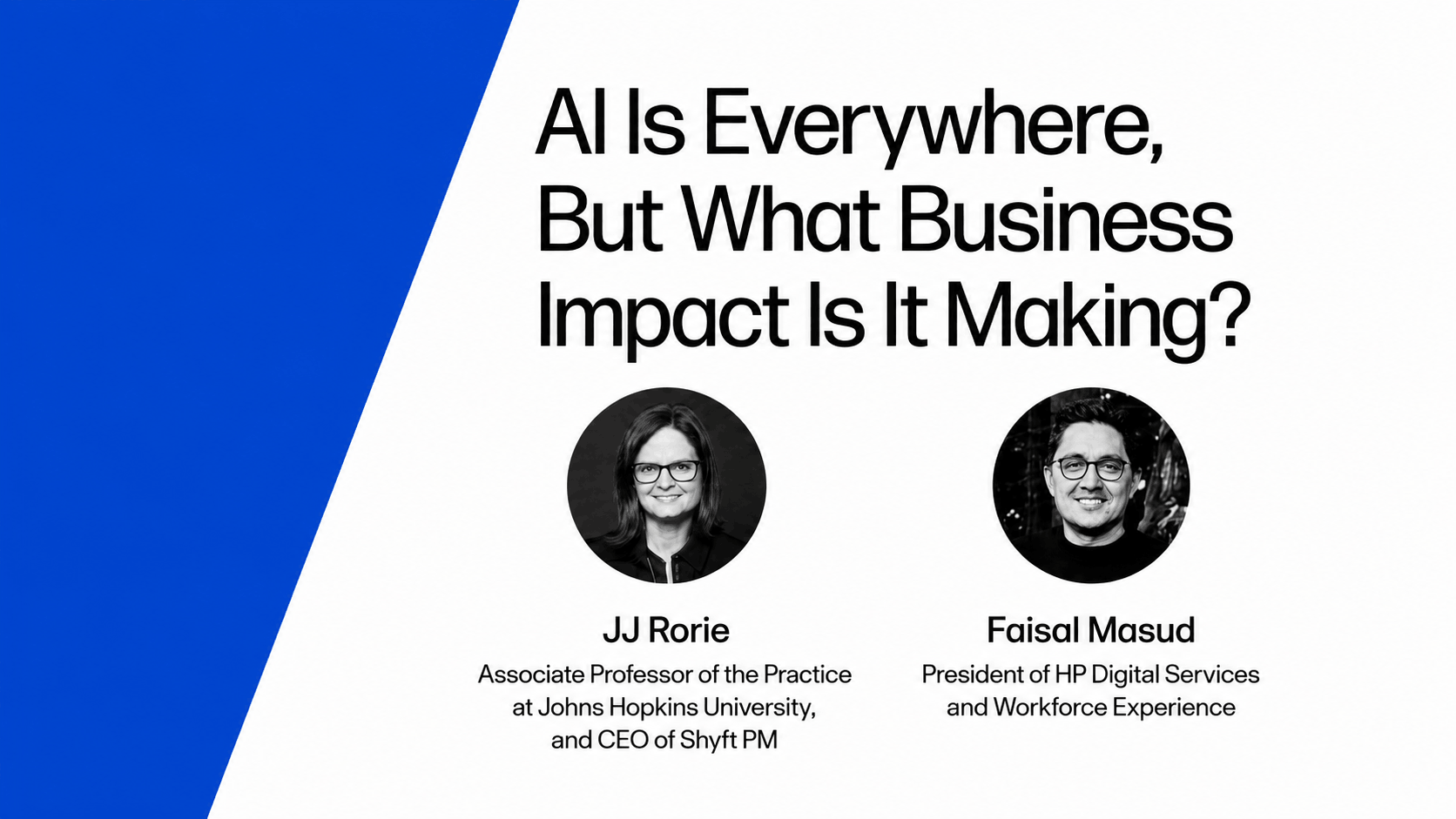
Insights from Faisal Masud’s conversation on Product Voices about AI economics, product leadership, and the future of SaaS.
Companies are going all in on AI, driven heavily by FOMO. Now, boards and business leaders are asking: Where’s the actual ROI?
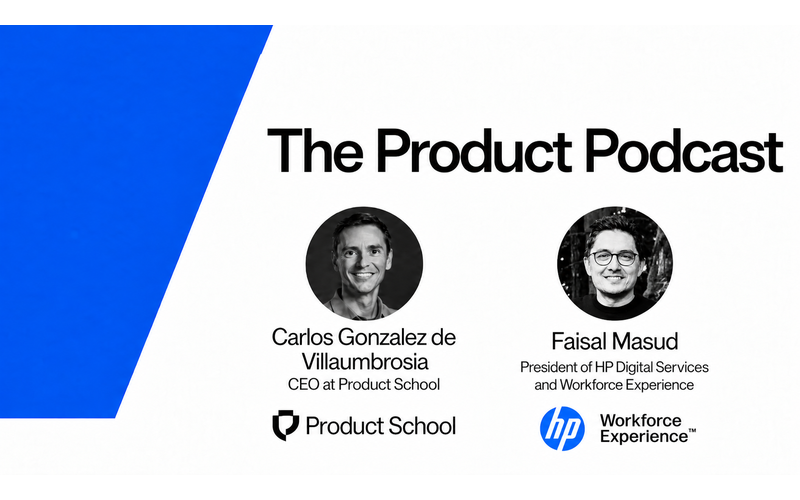
In a new episode of Product Voices, host JJ Rorie, Associate Professor of the Practice at Johns Hopkins University, and CEO of Shyft PM, speaks with Faisal Masud, President of HP Digital Services and Workforce ExperienceTM, about AI economics and why product leaders must rethink how they build software, organize teams, and deliver customer value in an AI-first world.
Dashboards Are Dead
Dashboards aren’t dead in the literal sense, but reliance on visual data representations is becoming obsolete. According to Faisal:
Dashboards are probably the most irrelevant thing at this point that you can deal with. Nobody wants to put their eyes on glass and just keep looking at a bunch of metrics. You've got AI. AI can do that for you.
CIOs and IT leaders may still want to drill into the data, but the historical premise that everything must be represented in dashboards is breaking down. Rather than forcing users to interpret charts and data, AI will allow users to enter a single prompt or rely on a zero-prompt experience that proactively surfaces insights and suggests what to ask next.
Seat-Based Pricing Is Under Threat
Historically, SaaS businesses charged customers based on the number of users, or “seats,” with access to the software. Today, companies are turning to usage-based pricing (UBP), which ties spending to actual consumption and helps account for AI agents and robots. A recent Metronome survey found that 77% of the largest SaaS companies have some level of UBP.
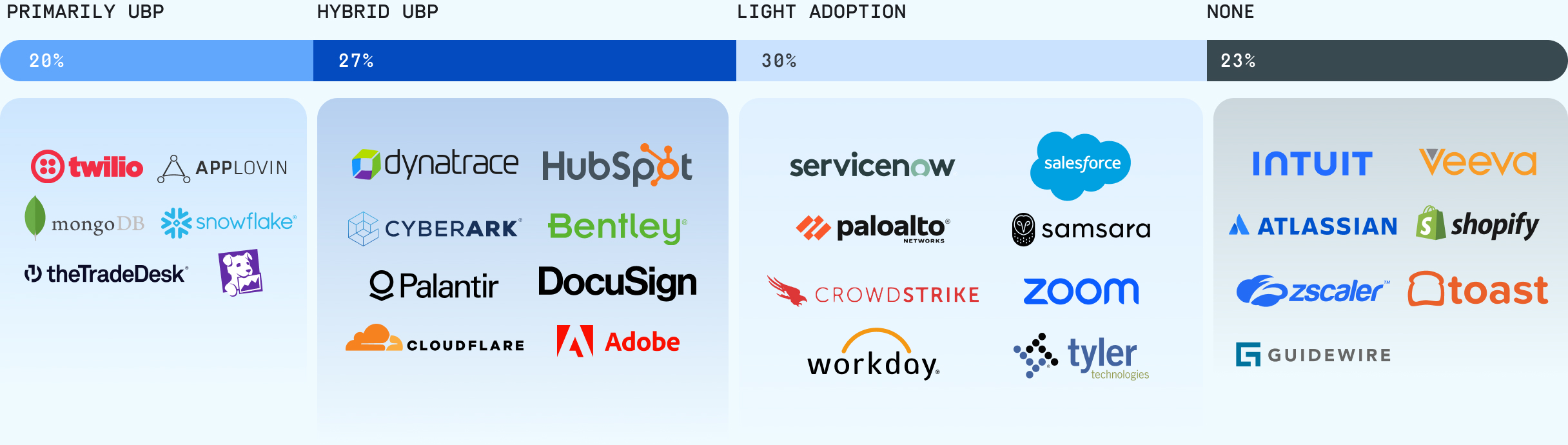
Source: Metronome
Faisal argues that the old pricing model is essentially obsolete, thanks to AI:
Seat-based pricing is under massive threat, right? Because nobody cares about seats anymore. You can potentially have millions of seats with AI agents. What customers care about is outcomes.
Instead of charging customers for software licenses, vendors will increasingly compete on measurable business results. For example, HP Workforce ExperienceTM Platform (WXP) proactively identifies and fixes device issues, reducing IT support tickets and delivering quantifiable ROI.
Check out these case studies for more.
The Future Belongs to Builders, Not Managers
AI is also reshaping product organizations. According to Faisal, teams move faster across design, engineering, prototyping, testing, and deployment, which means that companies need fewer management layers.
The product leader is no longer just doing this air traffic control. That air traffic control job is dead… Nobody needs managers… If you’re not contributing, you’re not useful.
Product leaders must now contribute directly to both strategy and execution, understand customer problems, define the business model, and scrutinize how the product appears and performs. They essentially need to transform from PMs to GMs (general managers) and deliver economic value for their product.
An essential question to ask is, would they buy it themselves if they were the customer?
Watch the Full Conversation
These are just a few of the thought-provoking ideas discussed throughout the interview.
In the full conversation, Faisal also explains why HP created Workforce ExperienceTM Labs to explore “moonshot ideas,” how WXP is using on-device NPUs for anomaly detection, and what SaaS companies should prepare for as AI reshapes product development and business models.
▶ Watch the full interview:
HP Workforce ExperienceTM Platform is a comprehensive digital employee experience solution that enables organizations to optimize IT for every employee’s needs.
Discover how it can transform your IT operations from a cost center to a business accelerator. Simply fill out the form below, and our team will be in touch soon.
From the blog
The latest industry news, interviews, technologies, and resources.




Frequently asked questions
Here's everything you need to know about WXP.
- What is the HP Workforce Experience Platform (WXP)?
- How does WXP work?
- Can WXP be customized to fit specific business needs?
- How is WXP modular?
- Is WXP compatible with different vendors and operating systems?
- How does WXP integrate with other IT tools to provide a more comprehensive solution?
- What is a Workforce Experience score?
- How is AI used within WXP?
- How can I buy WXP and find out about new releases?